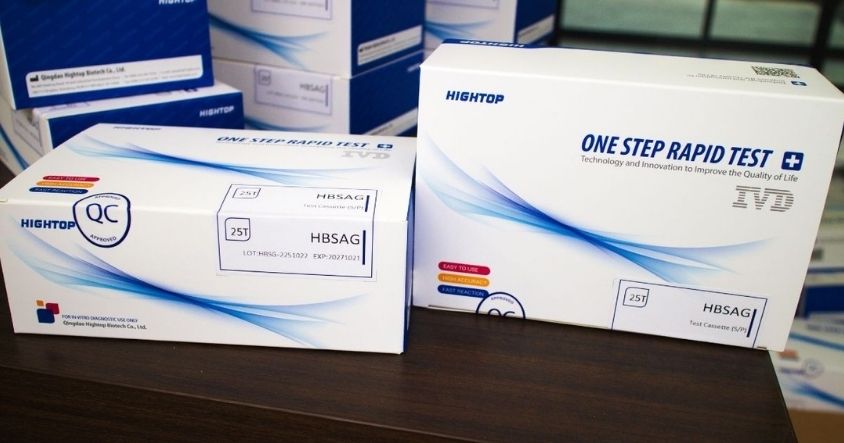
Accurate Rapid Diagnostic Testing in Zimbabwe
Accurate diagnostic testing sits at the heart of effective healthcare. In Zimbabwe, where the burden of infectious and non-communicable diseases remains high and access to fully equipped laboratories is uneven, rapid diagnostic testing has become an essential tool for saving lives and protecting public health.
Rapid Diagnostic Tests (RDTs) enable healthcare workers to quickly identify diseases, make informed clinical decisions, and initiate appropriate treatment promptly.
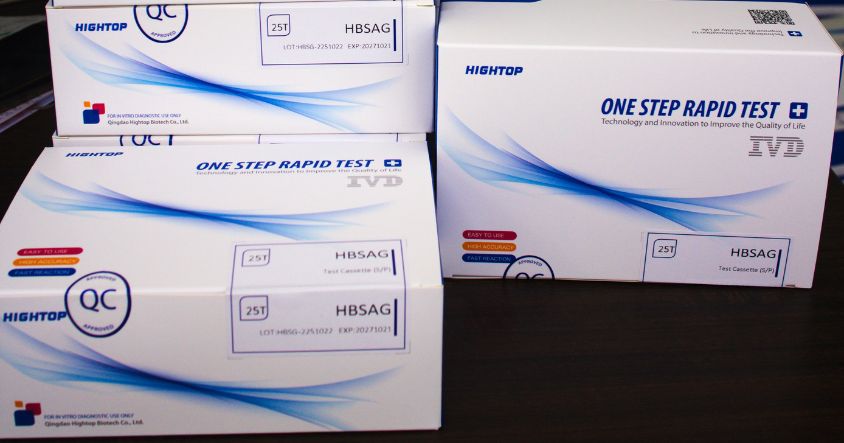
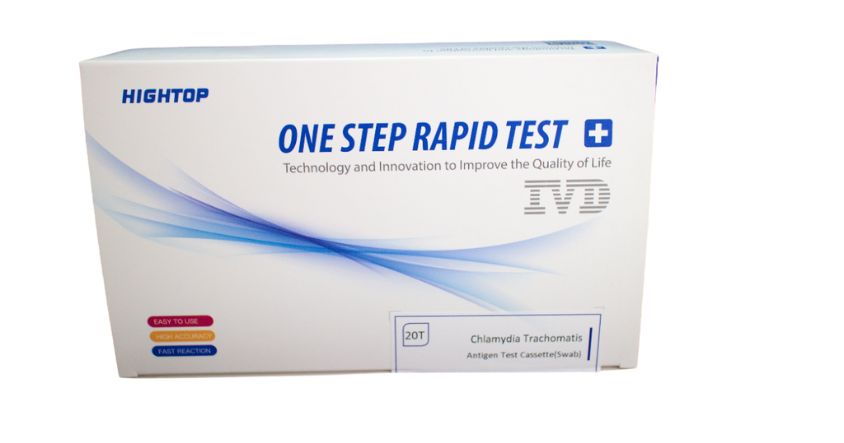
When these tests are of high quality and reliability, such as internationally recognised diagnostics like HIGHTOP test kits, the benefits extend far beyond individual patients to the wider healthcare system and society as a whole.
Understanding Rapid Diagnostic Tests
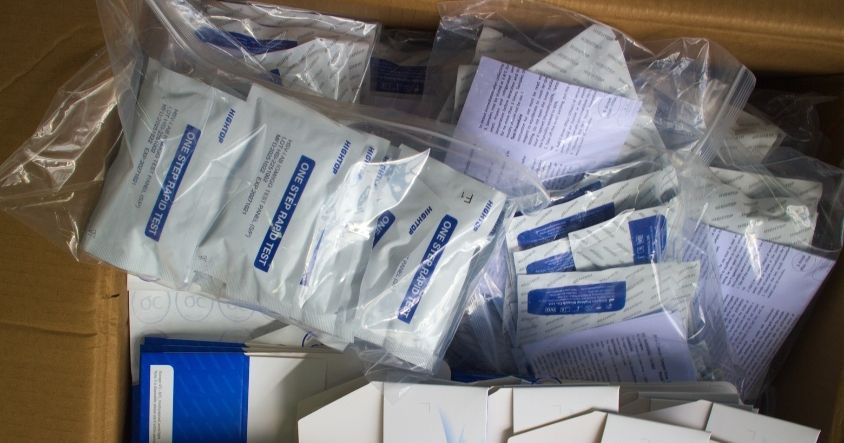
Rapid diagnostic tests are medical tools designed to detect specific diseases or health conditions using small patient samples such as blood, saliva, or urine.
Unlike conventional laboratory tests, RDTs do not require complex equipment or specialised laboratory infrastructure. Results are typically available within minutes, allowing testing and treatment to happen during the same patient visit.
This speed and simplicity make RDTs especially valuable in Zimbabwe’s primary healthcare clinics, rural health centres, mobile outreach programmes, and emergency response situations.
Why Accurate Testing Matters
Early and Timely Diagnosis
Early diagnosis is often the difference between recovery and severe illness. Infections such as HIV, malaria, hepatitis, tuberculosis, and emerging viral diseases can progress rapidly if left undetected. Rapid diagnostic testing enables healthcare workers to identify infections at the earliest possible stage and begin treatment immediately.
For patients, this means reduced complications, shorter illness duration, and improved survival rates. For communities, it means fewer opportunities for diseases to spread unnoticed.
Improving Patient Outcomes
Accurate rapid diagnostic testing directly improves patient care. When healthcare workers can rely on test results, they are able to prescribe the right treatment at the right time. This reduces the risk of incorrect medication, unnecessary drug use, and treatment delays.
In contrast, inaccurate or poor-quality tests can lead to false results, exposing patients to inappropriate treatment or false reassurance. This not only harms individuals but also undermines trust in healthcare services. High-quality diagnostic kits help maintain confidence among both patients and healthcare professionals.
Expanding Access to Healthcare Services
Zimbabwe’s healthcare system serves a population spread across urban centres, growth points, and remote rural areas.
In many districts, access to fully equipped laboratories remains limited. Rapid diagnostic tests help bridge this gap by bringing testing closer to where people live.
With RDTs, clinics without laboratory facilities can still provide essential diagnostic services.
Nurses and trained community health workers can conduct tests on site, reducing the need for patients to travel long distances or wait days for results. This decentralised approach improves healthcare access, particularly for vulnerable and underserved communities.
Strengthening Public Health and Disease Control
Beyond individual patient care, accurate rapid diagnostic testing plays a vital role in public health surveillance.
Quick and reliable results enable health authorities to identify disease trends, detect outbreaks early, and respond swiftly.
During disease outbreaks, rapid testing supports timely isolation, treatment, and preventive measures. This reduces transmission, limits pressure on healthcare facilities, and protects communities from widespread infection.
Accurate data from reliable tests also helps policymakers plan more effectively and allocate resources where they are needed most.
Cost-Effectiveness for the Health System
In resource-limited settings, cost efficiency is crucial. Rapid diagnostic testing helps reduce overall healthcare costs by minimising unnecessary laboratory investigations, preventing advanced disease complications, and shortening hospital stays.
Accurate diagnostics also reduce the misuse of medicines, particularly antibiotics and antimalarial drugs, helping to combat drug resistance. Over time, this leads to a more sustainable and resilient healthcare system.
The Importance of Quality Diagnostics
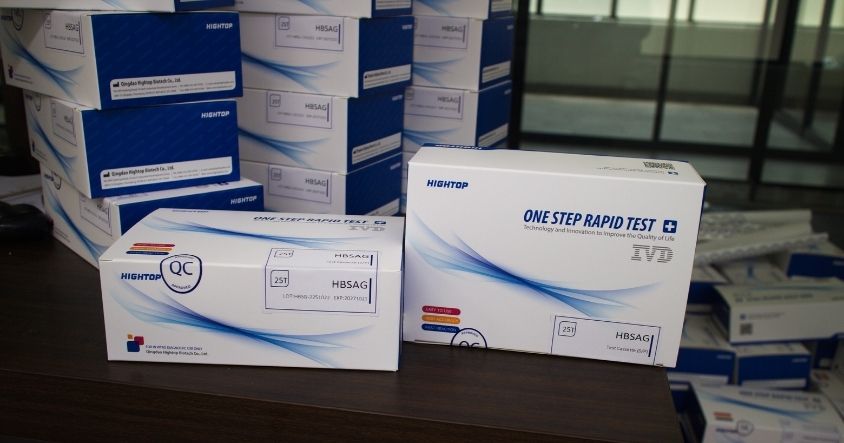
Not all rapid diagnostic tests deliver the same level of accuracy. The reliability of a test depends on its sensitivity, specificity, and consistency under real-world conditions. Poor-quality diagnostics increase the risk of false positives or false negatives, both of which can have serious consequences.
This is where quality-assured diagnostic kits, such as those produced by HIGHTOP Biotech, play a critical role. These test kits are designed to meet international performance standards and undergo strict quality control processes. Their reliability allows healthcare professionals to make confident clinical decisions based on test results.
Supporting Healthcare Workers
High-quality rapid diagnostic tests also support healthcare workers by simplifying workflows and reducing uncertainty. Clear instructions, consistent performance, and dependable results allow clinicians and laboratory personnel to work more efficiently, especially in high-pressure environments.
When paired with proper training and quality assurance practices, reliable diagnostics enhance professional confidence and improve overall service delivery.
Building a Healthier Future for Zimbabwe
Accurate rapid diagnostic testing is no longer a luxury; it is a necessity for modern healthcare in Zimbabwe.
By enabling early detection, improving patient outcomes, expanding access to care, and strengthening public health systems, quality diagnostics form a cornerstone of effective disease management.
As Zimbabwe continues to strengthen its healthcare services, investment in reliable, high-quality rapid diagnostic tests will remain essential.
Diagnostics such as HIGHTOP test kits contribute not only to better clinical care but also to a stronger, more resilient public health system capable of responding to both everyday health needs and future challenges.
In Zimbabwe, HIGHTOP test kits are distributed by Tsakunyena Supplies.
Accurate diagnostics save time, reduce suffering, and save lives — making them one of the most powerful tools in building a healthier Zimbabwe.