Reagents for Medical Labs in Zimbabwe
Medical laboratory reagents are the lifeblood of diagnostic testing. Without reliable, high-quality reagents, even the most advanced laboratory equipment cannot deliver accurate results.
For healthcare facilities in Zimbabwe — whether public hospitals, private clinics, diagnostic centres, or research institutions — having access to the right reagents, and knowing how to store and manage them properly, is critical to patient care.
This guide covers everything medical laboratory professionals in Zimbabwe need to know about sourcing reagents, maintaining cold chain integrity, conducting quality control, and working with a trusted local supplier to avoid costly stockouts and test failures.
What Are Medical Laboratory Reagents?
A reagent is any substance or compound used in a chemical reaction to detect, measure, or produce other substances.
In a medical laboratory setting, reagents are used to identify pathogens, measure biomarkers, determine blood types, test organ function, and diagnose a wide range of conditions.
Common categories of reagents used in Zimbabwean medical labs include:
- Immunoassay reagents — used in ELISA kits and lateral flow tests to detect antibodies and antigens (e.g. HIV, Hepatitis B/C, malaria)
- Haematology reagents — used in CBC analysers to count and characterise blood cells
- Clinical chemistry reagents — used to measure glucose, cholesterol, liver enzymes, kidney function markers, and more
- Microbiology culture media — used to grow and identify bacteria and fungi
- Staining reagents — such as Giemsa, Gram stain, and Ziehl-Neelsen stains for microscopy
- Molecular biology reagents — including PCR mastermixes, buffers, and extraction kits for DNA/RNA analysis
- Coagulation reagents — used to assess blood clotting function, including PT and APTT testing
Challenges of Sourcing Reagents in Zimbabwe
Procuring laboratory reagents in Zimbabwe comes with unique challenges that laboratories must plan for carefully.
1. Import Dependencies
The majority of medical reagents used in Zimbabwe are imported, primarily from China, Europe, and the United States. This means lead times can be long — often several weeks — and disruptions to global supply chains (as seen during the COVID-19 pandemic) can cause significant shortages. Laboratories should maintain adequate buffer stock to cover at least four to six weeks of usage.
2. Currency and Pricing Volatility
Because reagents are priced in foreign currency (primarily USD), fluctuations in the exchange rate and foreign currency availability can affect pricing and stock availability. Working with a local supplier who absorbs this risk through forward planning can protect your laboratory from sudden price spikes.
3. Cold Chain Reliability
Many reagents require refrigeration at 2 to 8 degrees Celsius, or even deep freezing at -20 degrees Celsius or below. Inconsistent electricity supply — a reality in many parts of Zimbabwe — poses a serious risk to reagent integrity. Laboratories must have backup power solutions and temperature monitoring in place.
4. Counterfeit and Substandard Products
The medical supply market in Zimbabwe, as in many African countries, is not immune to substandard or counterfeit reagents. These can produce false results, leading to misdiagnosis and patient harm. It is essential to source reagents exclusively from verified, reputable distributors.
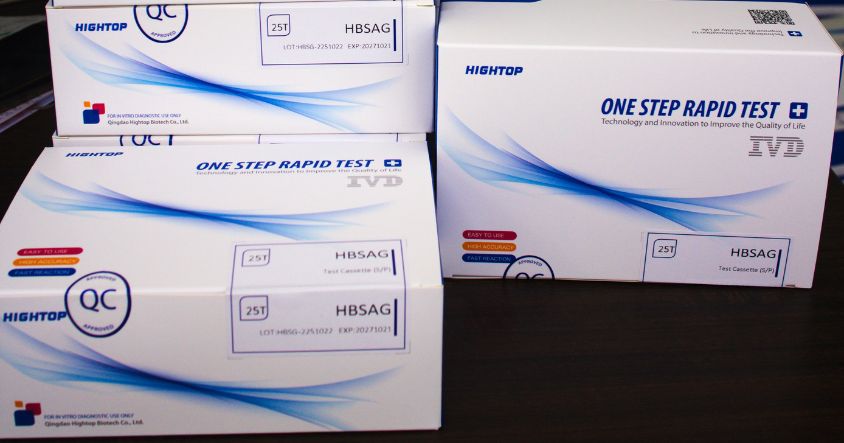
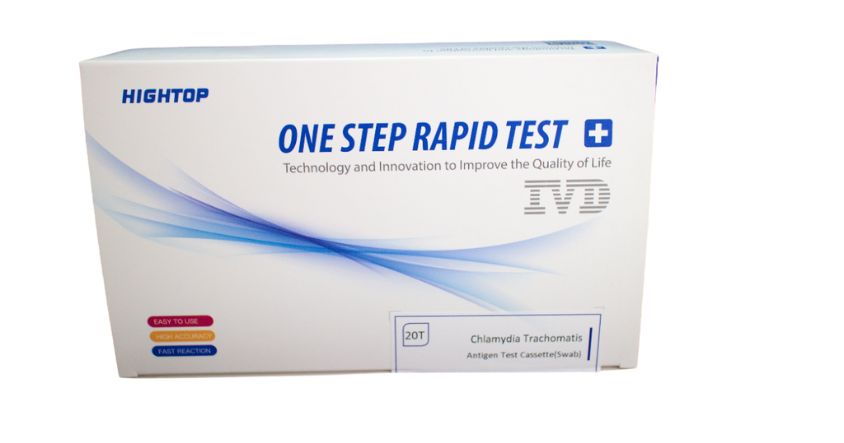
Tsakunyena Supplies is Zimbabwe’s official distributor of HIGHTOP Biotech products — a globally recognised manufacturer of high-quality diagnostic reagents and test kits that meet international quality standards.
How to Source Reagents Reliably in Zimbabwe
Sourcing reagents effectively requires more than just placing an order. It involves building a procurement strategy that ensures continuity, quality, and cost-efficiency.
Work with an Authorised Local Distributor
An authorised local distributor provides direct access to manufacturer-guaranteed products, with proper documentation of quality certification, batch numbers, and expiry dates.
They can also provide technical support, navigate import logistics on your behalf, and offer faster delivery compared to ordering directly from overseas.
Establish a Consumption Tracking System
Track reagent usage monthly across each test type. This helps you calculate reorder points and minimum stock levels, preventing both stockouts and wastage from expired reagents.
Many laboratory information systems (LIS) include inventory management features that can automate this process.
Consolidate Orders Where Possible
Ordering in bulk reduces per-unit costs and minimises the frequency of deliveries.
However, this must be balanced against storage capacity and shelf life. Reagents with a 12-month shelf life can be ordered in larger quantities than those with a 3-month shelf life.
Verify Documentation on Every Delivery
When receiving reagents, always check:
- Certificate of Analysis (CoA) from the manufacturer
- Lot/batch number and expiry date on both outer packaging and individual units
- Cold chain records confirming temperature during transport
- Regulatory approval status (WHO pre-qualification, CE marking, or FDA clearance where applicable)
Reagent Storage: Best Practices for Zimbabwean Labs
Proper storage is as important as proper sourcing. Reagents that are incorrectly stored will fail quality control checks and produce unreliable results, even if they were manufactured to the highest standard.
Temperature Control
Most immunoassay and clinical chemistry reagents require storage at 2–8°C. Always use a dedicated laboratory refrigerator — never a domestic fridge shared with food.
Use a calibrated thermometer or digital data logger to monitor and record temperatures at least twice daily. If a temperature excursion occurs, quarantine the affected reagents and contact your supplier before using them.
Avoid Freeze-Thaw Cycles
Many liquid reagents are irreversibly damaged by freezing. If a reagent kit requires storage at 2–8°C, ensure it is never placed in a freezer compartment, even temporarily.
Similarly, once a reagent has been thawed from frozen storage, most manufacturers advise against refreezing.
Light and Humidity Exposure
Certain reagents — particularly enzyme substrates and staining solutions — are sensitive to light. Store these in opaque containers or in drawers away from direct sunlight.
High humidity can compromise dry-format reagents and lateral flow devices; always store these in a sealed bag with a desiccant until the point of use.
First Expired, First Out (FEFO)
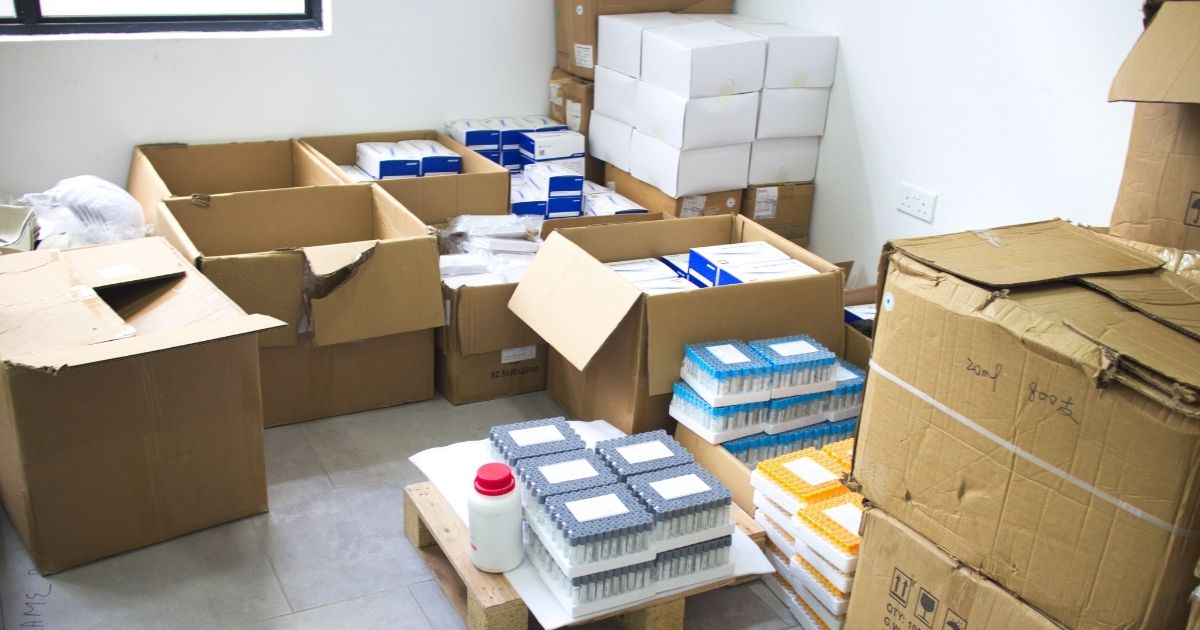
Organise your reagent store so that items with the nearest expiry date are used first. Label shelves clearly and rotate stock with every new delivery. Reagents that expire unused represent a direct financial loss to your facility.
Backup Power
Zimbabwe’s electricity supply challenges make backup power essential for any laboratory storing temperature-sensitive reagents. An inverter-battery system or generator should maintain refrigerator temperatures during outages. A temperature alarm system that alerts staff when refrigerator temperatures deviate is a low-cost but high-value investment.
Quality Control for Laboratory Reagents
Quality control (QC) in laboratory medicine refers to the processes used to ensure that test results are accurate, reproducible, and reliable. Reagent QC is a fundamental component of this.
Run Controls with Every Batch
Most reagent kits come with, or are used alongside, quality control materials — known-positive and known-negative samples, or materials with defined analyte concentrations. Run these controls with every new batch of reagents and with every new lot number. If a control fails, do not report patient results from that run.
Maintain a QC Log
Document every QC run, including the date, reagent lot number, control values, and whether the run passed or failed. This log is essential for identifying trends — for example, a reagent lot that consistently performs at the borderline of acceptable ranges — and for regulatory inspections or accreditation audits.
Participate in External Quality Assessment
External Quality Assessment Schemes (EQAS), such as those offered through EQUAS Zimbabwe or the African Society for Laboratory Medicine (ASLM), allow your laboratory to compare its results with other laboratories using the same tests. This is a powerful way to detect systematic errors that internal QC alone might not reveal.
Validate New Lot Numbers
When switching to a new lot number of a reagent, perform a parallel run alongside the previous lot using the same patient samples or controls. Compare the results before transitioning fully to the new lot. A sudden shift in results with a new lot should be investigated before reporting.
Know When to Reject a Reagent
Reagents should be rejected and returned to your supplier if:
- The expiry date has passed
- The packaging is damaged, broken, or shows signs of tampering
- Reagents show visible signs of degradation (discolouration, precipitation, or cloudiness)
- The cold chain was compromised during transport
- QC results are consistently out of acceptable range
Regulatory Considerations in Zimbabwe
The Medicines Control Authority of Zimbabwe (MCAZ) regulates the registration and importation of in vitro diagnostic (IVD) devices, which includes many laboratory reagents.
When sourcing reagents, confirm with your supplier that products are either registered with MCAZ or are being imported under an appropriate exemption or permit.
Using unregistered reagents in a patient care setting can expose healthcare institutions to legal liability and puts patients at risk. Reputable suppliers will be able to provide regulatory documentation on request.
Why Choose Tsakunyena Supplies for Your Reagent Needs?
Tsakunyena Supplies has built its reputation as Zimbabwe’s trusted source for medical and laboratory supplies since 2023.
As the official distributor of HIGHTOP Biotech products in Zimbabwe, we supply a comprehensive range of diagnostic reagents and test kits that meet internationally recognised quality standards.
When you source reagents through Tsakunyena Supplies, you benefit from:
- Manufacturer-authorised supply — every product comes with full documentation and traceability
- Cold chain management — we maintain temperature integrity from manufacturer to your door
- Expert product guidance — our team helps you select the right reagent for your testing requirements
- After-sales technical support — we’re available to assist with troubleshooting and QC queries
- Competitive pricing — we offer volume discounts and flexible ordering arrangements for facilities of all sizes
Conclusion
For medical laboratories in Zimbabwe, reagent quality is not a box-ticking exercise — it directly determines whether patients receive accurate diagnoses and appropriate treatment.
By sourcing from verified suppliers, maintaining proper storage conditions, and implementing rigorous quality control, your laboratory can deliver results that healthcare providers and patients can trust.
Whether you are equipping a new laboratory, expanding your diagnostic capabilities, or simply looking for a more reliable reagent supplier, Tsakunyena Supplies is here to help.
Contact us today: +263 242 570810 | +263 777 083 465