Quality Control in Medical Supply Distribution in Zimbabwe
Quality control is not a bureaucratic formality in healthcare — it is the difference between a treatment that works and one that harms. In medical supply distribution, quality control encompasses every process, check, and standard that ensures the products reaching patients and healthcare workers are safe, effective, and fit for purpose.
For Zimbabwe’s healthcare system, which serves a population of over 16 million people across urban hospitals, rural clinics, and community health programmes, the integrity of medical supply distribution is a matter of life and death.
This article explores why quality control in medical supply distribution matters, where the risks lie, and what healthcare facilities and procurement officers in Zimbabwe should look for in a trusted supplier.
What Is Quality Control in Medical Supply Distribution?

Quality control (QC) in medical supply distribution refers to the systems, processes, and standards applied at every stage of the supply chain — from manufacturer to end user — to ensure that products meet defined specifications and are safe to use.
In the context of medical supplies, this includes:
- Product quality verification — confirming that items meet manufacturer specifications and regulatory standards
- Cold chain management — maintaining required temperature conditions for temperature-sensitive products
- Storage and handling standards — ensuring products are stored correctly to prevent degradation
- Documentation and traceability — maintaining records that allow any product to be traced back to its source
- Expiry date management — ensuring no expired products reach healthcare facilities
- Regulatory compliance — verifying that products are registered and approved for use in Zimbabwe
Quality control is not a single checkpoint — it is a continuous process that runs from the moment a product leaves the manufacturer to the moment it is used at the point of care.
Why Quality Control Matters in Zimbabwe’s Healthcare Context
Zimbabwe’s healthcare system faces a range of structural challenges that make quality control in medical supply distribution especially critical.
A Heavily Import-Dependent Supply Chain
The vast majority of medical supplies used in Zimbabwe are imported, from diagnostic test kits and reagents to surgical instruments, PPE, and pharmaceutical consumables.
This means that products travel long distances, often passing through multiple intermediaries before reaching the end user.
Each handoff in the supply chain is an opportunity for quality to be compromised — through improper storage, temperature excursions, documentation gaps, or outright substitution of substandard products.
The Proliferation of Substandard and Counterfeit Medical Products
Substandard and falsified medical products are a recognised public health crisis across sub-Saharan Africa. The World Health Organization estimates that 1 in 10 medical products circulating in low- and middle-income countries is either substandard or falsified.
Zimbabwe is not immune to this problem. Counterfeit rapid test kits, expired reagents relabelled with new dates, and PPE that fails to meet protective standards have all been reported across the region.
The consequences are severe — false-negative HIV tests that leave infections undetected, surgical gloves that tear under use, or IV cannulas that cause infections. In each case, the failure traces back to a breakdown in quality control somewhere in the distribution chain.
Underfunded Procurement Systems
Public health procurement in Zimbabwe, as in many developing countries, is often driven primarily by cost. When price is the dominant criterion and quality verification is inadequate, the door opens to substandard products entering the system. Procurement officers under budget pressure may select the cheapest available option without adequate documentation review, enabling low-quality or counterfeit suppliers to gain market access.
Infrastructure Constraints
Power outages, poor road conditions in rural areas, and limited cold storage infrastructure create additional quality risks in Zimbabwe’s supply chain.
A reagent kit that leaves the manufacturer in perfect condition can be rendered useless by a single power outage in a distribution warehouse or a long, unrefrigerated journey to a rural health centre.
The Key Pillars of Quality Control in Medical Supply Distribution

A robust quality control system in medical supply distribution rests on several interconnected pillars.
1. Supplier Verification and Authorisation
The foundation of quality control is sourcing from verified, authorised suppliers. An authorised distributor has a direct, documented relationship with the manufacturer and is accountable for the products they supply. They carry original documentation — certificates of analysis, certificates of conformity, and regulatory approval records — for every product they distribute.
Before engaging a medical supplier in Zimbabwe, procurement officers should ask:
- Is this distributor authorised by the manufacturer to sell their products in Zimbabwe?
- Can they provide certificates of analysis and regulatory documentation for each product?
- Are they registered with the relevant Zimbabwean authorities?
- Do they have a documented quality management system?
Working with unverified or unauthorised suppliers — however attractive their pricing — introduces unacceptable quality risk.
2. Regulatory Compliance
The Medicines Control Authority of Zimbabwe (MCAZ) is responsible for regulating the importation, distribution, and sale of medicines and medical devices in Zimbabwe, including in vitro diagnostic (IVD) products. Products that are not registered with MCAZ, or imported without the appropriate permits, are not legally permitted to be used in patient care.
Responsible distributors ensure that all products they supply are either MCAZ-registered or imported under valid exemptions, and they make this documentation available to their clients. Healthcare facilities should request and retain regulatory documentation for every medical product they procure.
3. Cold Chain Integrity
Temperature-sensitive medical products — including diagnostic reagents, certain test kits, and biological products — can be irreversibly damaged if they are exposed to temperatures outside their specified range, even briefly. Cold chain management requires:
- Refrigerated storage at the distribution warehouse maintained at 2–8°C
- Temperature-monitored transport, including refrigerated vehicles or validated cool boxes for last-mile delivery
- Temperature logs that accompany every shipment and are verified on receipt
- Clear protocols for managing temperature excursions when they occur
A distributor who cannot provide cold chain documentation for temperature-sensitive products is a distributor whose products should not be trusted.
4. Batch Traceability and Documentation
Every product in a quality-controlled supply chain should be traceable back to its manufacturing batch. This is critical for two reasons. First, it allows a facility to verify the product’s authenticity and check its quality documentation. Second, it enables rapid response in the event of a product recall — if a manufacturer identifies a quality defect in a specific batch, traceability records allow that batch to be located and withdrawn quickly.
Documentation that should accompany every delivery includes:
- Manufacturer’s certificate of analysis (CoA) for the batch
- Lot and batch numbers matching those on the physical product
- Expiry dates on both outer and inner packaging
- Delivery note with product descriptions and quantities
5. Expiry Date Management
Expired medical supplies are not merely ineffective — they can be actively harmful. Expired reagents produce unreliable test results. Expired wound care products may be contaminated. Expired infusion fluids can cause patient harm. A quality-focused distributor implements First Expired, First Out (FEFO) stock rotation and monitors expiry dates across their entire inventory.
Healthcare facilities receiving supplies should independently verify expiry dates on delivery and maintain their own FEFO systems in their stores.
6. Staff Training and Standard Operating Procedures
Quality control does not end at the warehouse door. Healthcare facility staff who receive, store, and use medical supplies are the last line of defence against quality failures reaching patients. Facilities should have written standard operating procedures (SOPs) for goods receiving, cold storage, stock rotation, and QC checks, and staff should be trained on these procedures regularly.
The Role of the Distributor in Quality Assurance

A medical supply distributor is not simply a logistics company that moves boxes from one place to another. A quality-focused distributor is an active partner in maintaining the integrity of the supply chain. Their responsibilities include:
- Sourcing only from verified, reputable manufacturers
- Maintaining proper storage conditions at their premises
- Conducting incoming goods inspections on every delivery received
- Ensuring documentation is complete and accurate before products leave their facility
- Providing technical support to clients on product use, storage, and QC
- Managing product recalls promptly and transparently when required
- Staying current with MCAZ regulations and ensuring ongoing compliance
When evaluating a medical supplies distributor in Zimbabwe, healthcare procurement officers should request a quality audit or ask to visit the distributor’s premises. A reputable distributor will welcome this scrutiny.
Red Flags: Warning Signs of a Low-Quality Supplier
Knowing what to look for — and what to avoid — is as important as knowing the standards to demand. Be cautious of any medical supply distributor in Zimbabwe who:
- Cannot provide certificates of analysis or regulatory documentation on request
- Offers pricing that is significantly below market rates without explanation
- Is unable to confirm the manufacturer of the products they supply
- Has no documented cold chain procedures for temperature-sensitive products
- Delivers products without batch numbers, lot numbers, or legible expiry dates
- Is evasive when asked about MCAZ registration status
- Has no physical premises or verifiable contact details
In medical supply procurement, if something seems too good to be true, it almost certainly is.
Quality Control as a Public Health Investment
It is tempting — particularly in resource-constrained environments — to view quality control as an additional cost, a luxury, or a bureaucratic burden. This view is mistaken. The cost of quality failure in medical supply distribution is almost always higher than the cost of quality assurance.
A single batch of substandard rapid test kits that produces false negatives can result in HIV-positive patients being told they are negative, missing treatment and unknowingly transmitting the virus. A box of defective IV cannulas can trigger a ward-level infection outbreak. The downstream clinical, financial, and reputational costs of these failures dwarf the investment required to source reliably and verify quality rigorously.
For Zimbabwe’s healthcare system to deliver on its mandate — improving population health outcomes and reducing disease burden — the supply chain that underpins it must be held to the highest standards of quality.
How Tsakunyena Supplies Upholds Quality in Every Delivery

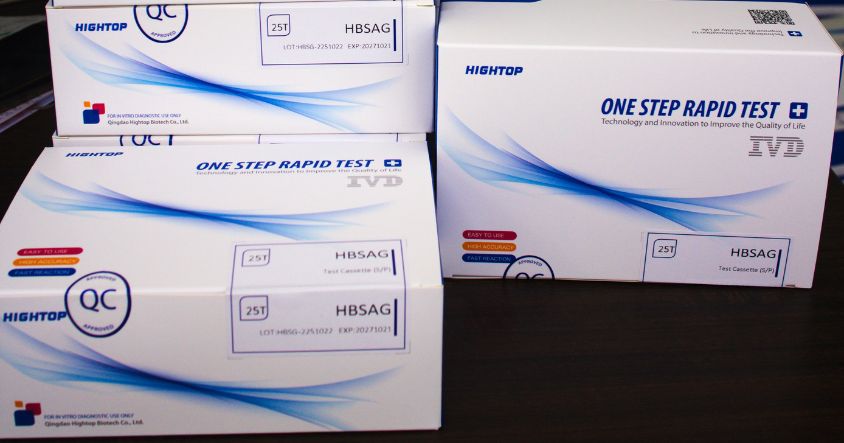
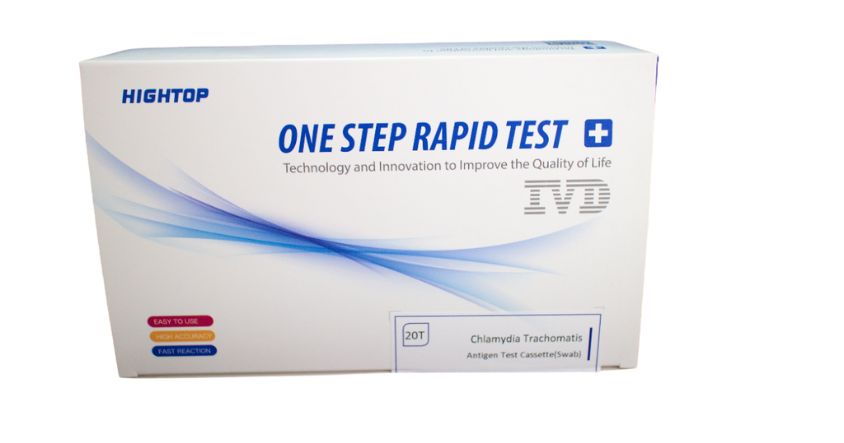
At Tsakunyena Supplies, quality control is embedded in everything we do. As Zimbabwe’s authorised distributor of HIGHTOP Biotech products, we operate to the quality standards our clients — and their patients — deserve.
Our quality commitments include:
- Manufacturer-authorised sourcing — we source directly from verified manufacturers, with full documentation for every product
- Cold chain management — temperature-sensitive products are stored and transported with documented cold chain controls
- Full batch traceability — every delivery is accompanied by lot numbers, expiry dates, and certificates of analysis
- MCAZ compliance — we ensure all products we distribute meet Zimbabwean regulatory requirements
- Technical support — our team is available to assist clients with product selection, storage queries, and quality control questions
- Transparent documentation — we welcome audits and will always provide regulatory and quality documentation on request
Quality control in medical supply distribution is not optional — it is the foundation on which safe, effective healthcare is built. In Zimbabwe, where the healthcare system faces real supply chain pressures, the choice of medical supply partner is one of the most consequential decisions a healthcare facility can make.
By demanding quality documentation, working with authorised distributors, maintaining proper storage conditions, and investing in staff training, healthcare facilities across Zimbabwe can protect their patients, their staff, and their institutional reputation.
Tsakunyena Supplies is committed to being the quality partner Zimbabwe’s healthcare system can depend on.
Get in touch with our team today: +263 242 570810 | +263 777 083 465 info@tsakunyena.co.zw