Chlamydia in Zimbabwe
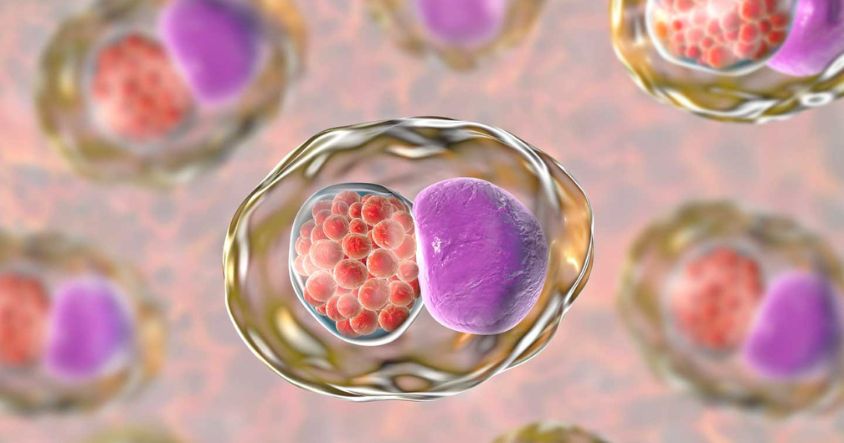
Chlamydia is one of the most common sexually transmitted infections (STIs) worldwide. It is caused by a bacterium called Chlamydia trachomatis and often spreads silently, because many people who are infected have no symptoms at all. If it is not detected and treated, chlamydia can cause serious long-term health problems, including infertility.
For healthcare providers in Zimbabwe, reliable testing is essential. Accurate chlamydia test kits allow clinics, hospitals and laboratories to identify infections early, start treatment quickly and prevent further spread.
This is where Tsakunyena Supplies, a leading medical supplier in Zimbabwe, plays a vital role as a go-to source for quality chlamydia test kits.
What is Chlamydia?
Chlamydia is a bacterial infection that affects both men and women. It is usually spread through:
-
Unprotected vaginal sex
-
Unprotected anal sex
-
Unprotected oral sex
-
Sharing sex toys that are not cleaned or covered between uses
A pregnant person with chlamydia can also pass the infection to their baby during childbirth, which can lead to eye infections or pneumonia in the newborn.
Chlamydia mainly affects the genital tract, but it can also infect the rectum and throat. The good news is that it is curable with the right antibiotics prescribed by a healthcare professional.
Why Chlamydia is a Concern in Zimbabwe
Sexually transmitted infections remain a major public health issue across the region. Young people, especially those under 25, and people with multiple sexual partners are at higher risk.
Because chlamydia so often has no symptoms, many infections go unnoticed. Without testing, people may live with the infection for months or years, unknowingly passing it on to others. Over time, this can lead to severe complications, particularly for women’s reproductive health.
Improving access to accurate, affordable chlamydia testing is therefore critical to reducing the burden of STIs in Zimbabwe.
Common Symptoms – and Why Many People Notice Nothing
One of the biggest challenges with chlamydia is that most infected people feel completely well. Many never experience symptoms, or their symptoms are so mild they are easily ignored.
When symptoms do appear, they can include:
In women
-
Unusual vaginal discharge
-
Pain or burning when passing urine
-
Bleeding between periods or after sex
-
Lower abdominal or pelvic pain
In men
-
Discharge from the penis
-
Pain or burning when passing urine
-
Pain or swelling in one or both testicles
In both men and women
-
Pain or discharge from the rectum after anal sex
-
Sore throat after oral sex, though this is less common
Because symptoms are unreliable, testing is the only way to know for sure whether someone has chlamydia.
Complications if Chlamydia is Not Treated
If chlamydia is left untreated, it can cause serious health problems:
In women
-
Pelvic inflammatory disease (PID)
-
Chronic pelvic pain
-
Damage to the fallopian tubes
-
Infertility or difficulty conceiving
-
Increased risk of ectopic (tubal) pregnancy
In men
-
Inflammation of the testicles and surrounding tubes
-
Pain and swelling that may affect fertility in some cases
In pregnancy and newborns
-
Increased risk of premature birth
-
Low birth weight
-
Newborn eye infections
-
Lung infections in the baby
Chlamydia also increases the risk of getting or transmitting other STIs, including HIV. Early testing and treatment prevent most of these complications.
How Chlamydia is Tested
Chlamydia testing is simple, confidential and widely used in modern sexual health care. It usually involves testing a sample of body fluid taken from the genital area or urine.
Common sample types
-
Urine sample (often the first part of the urine stream)
-
Vaginal swab (sometimes self-collected)
-
Cervical swab taken by a healthcare worker
-
Urethral swab in men
-
Rectal or throat swabs, depending on sexual practices
Types of tests
-
Laboratory-based tests
Many clinics and laboratories use highly sensitive laboratory tests that detect the genetic material of the chlamydia bacterium. These tests are considered the gold standard, but they require equipment, trained staff and time to process samples. -
Rapid point-of-care tests (rapid test kits)
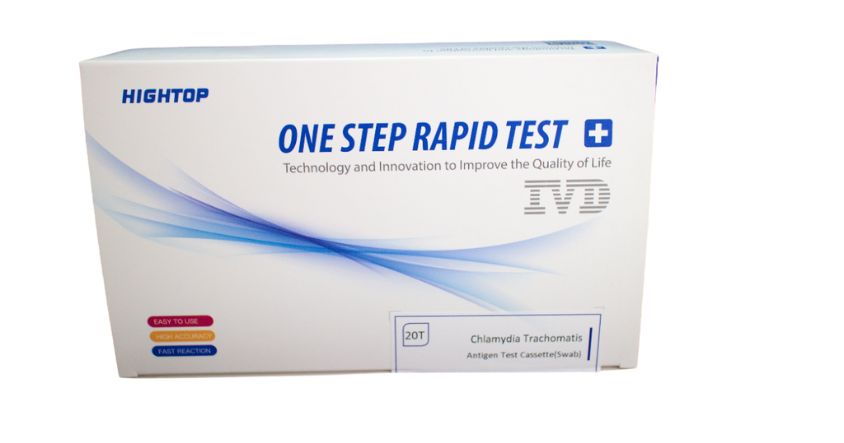
Rapid chlamydia tests are designed to give results within minutes at the point of care. They can be used in clinics, outreach programmes or lower-level facilities that do not have full laboratory services.These test kits usually come in a cassette or strip format and are used with urine or swab samples. They allow healthcare workers to test and treat patients in a single visit, which is especially helpful in settings where people may not return for results.
Why Reliable Chlamydia Test Kits Matter
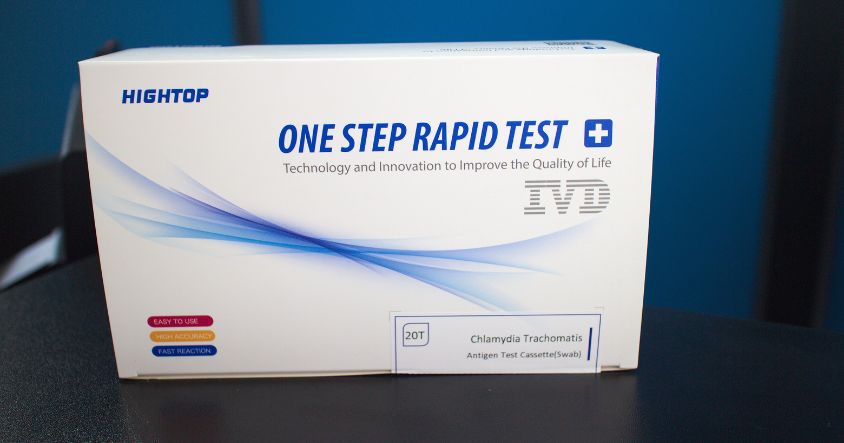
Not all test kits perform the same way. For chlamydia testing to be useful, kits must be:
-
Accurate – able to correctly identify infections
-
Sensitive – able to detect even low levels of bacteria
-
Specific – able to distinguish chlamydia from other infections
-
Easy to use – with clear instructions and simple procedures
Poor-quality tests can miss infections (false negatives) or give positive results when no infection is present (false positives). Both situations are harmful, leading to untreated disease or unnecessary treatment and anxiety.
High-quality chlamydia test kits give healthcare workers and patients confidence in the results and support better decision-making.
When Should Someone Be Tested for Chlamydia?
Testing is recommended in several situations, including:
-
After unprotected sex with a new partner
-
If you have multiple sexual partners
-
If a current or previous partner has an STI
-
If you have symptoms such as discharge, pain when urinating or pelvic pain
-
During routine sexual health check-ups, especially if you are under 25
-
If you are planning a pregnancy or are already pregnant
Regular screening is particularly important for young, sexually active people because of the high rate of symptom-free infections.
Treatment and Follow-Up
Chlamydia is usually treated with a course of antibiotics prescribed by a doctor or trained healthcare worker. Treatment is straightforward, but a few important points must be followed:
-
Sexual partners should be informed, tested and treated if necessary to prevent reinfection.
-
Patients are usually advised to avoid sex, or to use condoms consistently, until treatment is completed and any follow-up checks are done.
-
A repeat test may be recommended after a certain period, especially if there is concern about reinfection.
Self-medication is not advised. Proper diagnosis and treatment should always be guided by a qualified professional.
Tsakunyena Supplies: Your Go-To Supplier for Chlamydia Test Kits in Zimbabwe
For chlamydia control to be effective, health facilities need a steady supply of trusted test kits. In Zimbabwe, Tsakunyena Supplies provides clinics, hospitals, laboratories and outreach programmes with reliable diagnostic products, including chlamydia tests.
Tsakunyena Supplies:
-
Focuses on quality-assured diagnostic solutions suitable for both laboratory and point-of-care use
-
Supplies rapid chlamydia test kits that support same-day testing and treatment
-
Offers products that are designed for ease of use, making them suitable for busy clinics and outreach teams
-
Provides a broader range of diagnostic kits, allowing facilities to test for multiple STIs and infectious diseases using a single, trusted supplier
By partnering with Tsakunyena Supplies, healthcare providers in Zimbabwe can strengthen their STI services, increase the number of patients tested, and ensure that test results are reliable.
Using Chlamydia Test Kits Safely and Effectively
Even with high-quality test kits, correct use is essential. Best practice includes:
-
Training staff in proper sample collection and test procedures
-
Following manufacturer instructions carefully, including timing and interpretation of results
-
Implementing simple quality control measures where possible
-
Ensuring clear pathways for counselling, treatment and partner notification for anyone who tests positive
Testing should be integrated into a broader sexual health service that includes education, prevention and support.
Preventing Chlamydia

While testing and treatment are vital, prevention is always better than cure. Practical steps to reduce the risk of chlamydia include:
-
Using condoms correctly every time you have sex
-
Limiting the number of sexual partners and avoiding overlapping relationships
-
Going for regular sexual health check-ups, especially if you are sexually active with new or multiple partners
-
Talking openly with partners about sexual health and STI testing
-
Reducing stigma so that people feel comfortable seeking help early
Chlamydia is common, often silent and potentially serious – but it is also entirely treatable. In Zimbabwe, strengthening access to accurate chlamydia testing is a key step in protecting reproductive health, reducing complications and improving public health outcomes.
High-quality chlamydia test kits help healthcare workers diagnose infections quickly and accurately, so that treatment can begin without delay. By supplying reliable, quality-assured chlamydia test kits alongside a wider range of STI and infectious disease diagnostics, Tsakunyena Supplies has become a trusted partner for healthcare facilities across the country.
For clinics, hospitals, laboratories and outreach programmes looking to expand or improve their STI testing services, Tsakunyena Supplies stands out as the go-to supplier for chlamydia test kits in Zimbabwe, supporting faster diagnoses, better patient care and a healthier future for communities nationwide.